Homeowners generally discover a roof when it leaks, loses granules into the rain gutter, or begins to crinkle at the edges. Service providers notice another thing first, exactly how a roofing manages tension with time. Snow load, freeze-thaw cycles, wind-driven ice, attic room heat build-up, straight summer sunlight, and abrupt temperature swings all leave clues. Those ideas appear in split tabs, popped fasteners, distorted decking, shortened life span, and, in extreme situations, architectural strain.
That is why synthetic roof shingles have drawn a lot attention in the last few years. They are usually marketed for appearances, particularly when a homeowner wants the account of slate, cedar shake, or other high-end products. Yet their performance story matters equally as much. When you are contrasting roof materials for an area that sees both hefty winter season storms and penalizing summer heat, appearance is only component of the equation.
In markets like the Midwest, and specifically around artificial roof covering Chicago projects, the weather condition can turn from subzero wind cools in January to rooftop surface temperature levels well over 140 degrees in July. A product that carries out wonderfully in mild environments can battle right here. The far better synthetic roofing systems are designed keeping that truth in mind, though layout quality, installment quality, attic room ventilation, and structural conditions still establish whether the roofing system flourishes or simply survives.
What "artificial" implies on an actual roof
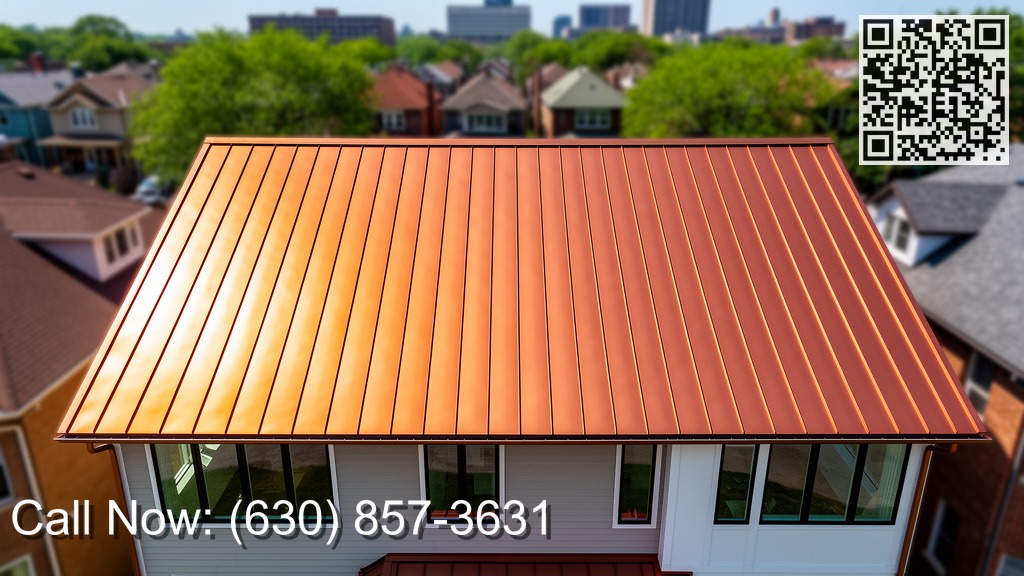
Synthetic roofing shingles are made products made to mimic traditional roof materials while reducing a few of their weaknesses. Depending upon the brand name and line of product, they might be made from engineered polymers, recycled composites, virgin materials, rubber-plastic blends, or other exclusive formulas. The category is wide, which is why efficiency can differ greater than homeowners expect.
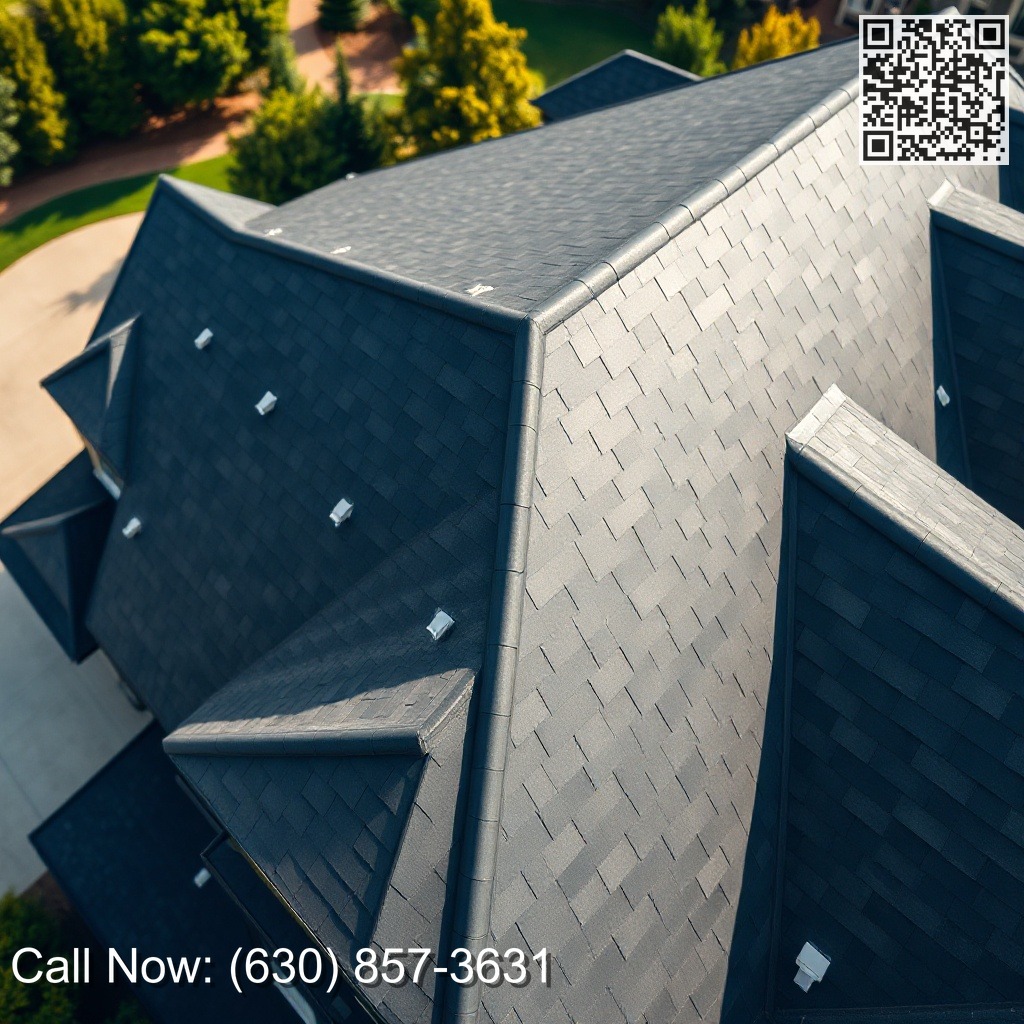
A premium synthetic roofing product is not merely "plastic roof covering." That tag misses out on the design entailed. Good products are developed for effect resistance, UV security, dimensional uniformity, and controlled flexibility. Substandard items can come to be fragile in winter, soften excessive in heat, fade erratically, or fail around fastening points. I have actually seen both ends of that spectrum. On one roofing, an artificial shake line handled a harsh wintertime without splitting. On one more, lower-grade replica slate began flawing where heat showed off a neighboring stonework wall.
That difference is one factor the installer matters a lot. An experienced artificial professional roofer knows that not all artificial roof roof shingles cut, fasten, and flash the same way. An item can have excellent lab data and still underperform if the team areas bolts improperly, leaves inadequate ventilation, or disregards maker temperature level standards throughout installation.
Snow lots is not practically the shingle
When property owners ask whether artificial roofs can "hold snow," the response requires context. Snow load is mainly a structural issue before it comes to be a shingle issue. Roof covering outdoor decking, framing periods, truss layout, pitch, and local code demands determine how much weight the roofing setting up can sustain. The tile itself is only one layer in that system.
Still, the external roof product issues because it affects exactly how snow behaves and just how the setting up responds. A heavy all-natural slate roofing system begins with a much higher dead lots than a light-weight synthetic option. That leaves less margin when a significant tornado goes down wet, thick snow. One functional benefit of architectural synthetic roof is weight reduction. An artificial slate product can provide the aesthetic deepness of quarried stone at a fraction of the weight, which is especially useful during synthetic roof covering substitute on older homes that were not originally mounted for real slate.
This matters on customized homes and historic-style homes where the owner wants costs artificial roofing or artificial roof covering for high-end homes without straining the structure with an exceptionally heavy covering. Lighter roofing products do not amazingly make a roof immune to snow problems, but they can reduce consistent tons on the framework year-round.
How snow really emphasizes a roofing system surface
Snow places a roofing system through numerous kinds of stress simultaneously. Weight is the obvious one, yet it is not the only worry. Melting and refreezing around the eaves can develop ice dams. Packed snow can block drainage courses. Temperature distinctions between attic room rooms and roofing surface areas can increase thawing in some areas while others stay frozen strong. That uneven cycle drives water under roof shingles and around flashings.
Synthetic roof tiles can execute well here because several stay more flexible than typical breakable products in very winter. That adaptability aids them take in minor motion without splitting. On roofing systems that cycle continuously in between daytime melting and nighttime refreezing, that trait is valuable.
The caveat is that not every artificial item handles chilly similarly. Some lower-end items become stiff when temperatures plunge. Others might resist cracking yet still allow moisture intrusion if setup details are poor. This is why a certified artificial roofing business pays close attention to underlayment choice, blinking changes, ridge vent information, and eave protection. In snow country, the setting up under the noticeable roofing system matters virtually as much as the noticeable roofing itself.
A roof covering in Naperville or the larger Chicagoland area, as an example, may undergo several freeze-thaw swings in a solitary month. On homes that have sanctuary ceilings, complicated valleys, dormers, and long gutter runs, those problems can reveal shortcuts quickly. A trustworthy artificial roofer Chicagoland property owners count on will certainly check insulation degrees and attic room airflow prior to making broad pledges concerning winter months performance.
The duty of roofing system pitch and snow shedding
Pitch affects how much snow builds up and how promptly it glides. Steeper roofing systems often tend to shed snow quicker, although texture, temperature level, and sun direct exposure all affect that procedure. Some artificial roofing roof shingles have surface area profiles that imitate cedar or slate so convincingly that they also affect snow retention. That can be great or poor depending upon the design.
If snow launches as well rapidly in large sheets, it can harm seamless gutters, landscaping, and entrance areas. If it clings as well lengthy on a roofing with recognized structural restrictions, the weight can become a worry. The best balance depends on the home. I have actually seen steep roofing systems where snow guards were required to take care of release, and lower-slope attractive sections where the bigger problem was long term melting at the eaves.
This is where actual website judgment matters greater than brochure language. Residential artificial roofing is not one-size-fits-all. Two homes on the same street can require different describing because one has large south-facing roof covering aircrafts over heated home and the various other has actually a ventilated attic room with fully grown color trees.
Heat waves check a different collection of properties
Summer penalizes roof covering products in quieter methods. As opposed to dramatic ice build-up or noticeable snowdrifts, you get ruthless UV exposure, thermal expansion, warm attic room air, and surface temperatures that much go beyond the exterior reading. On a bright day, a dark roof can end up being warm enough to soften low-grade products, accelerate aging, and telegraph issues that did not show up in milder conditions.
Well-made artificial roofing systems are created to resist UV degradation and maintain dimensional stability under warmth. That indicates they should not curl, split, or shed shape merely because the roof cooks for days each time. Better products also hold shade more continually, though every roof fades somewhat gradually. The concern is whether that fading takes place gradually and evenly, or patchily and prematurely.
Heat waves also reveal securing issues. If tiles expand and contract continuously, inadequate nailing patterns or inadequate attachment can turn up as moving, rattling, or distortion. Experienced artificial roofing installers understand that heat performance is not practically the roof shingles formula. It is additionally regarding spacing, attachment, air flow, and whether the roof covering deck is completely dry, flat, and correctly prepared prior to setup begins.
Why lightweight can assist in both winter and summer
A lighter roof item lowers static load in winter months, but it likewise transforms exactly how teams take care of setup and future maintenance. Synthetic roof roof shingles are frequently less complicated to stage and move across the roof than real slate or concrete ceramic tile. That can lower damage throughout setup and make repair services much less intrusive if one section is ever before harmed by a dropped arm or leg or serious hail.
In heat, reduced mass does not instantly suggest a cooler roofing system surface area. Reflectivity, shade, ventilation, and setting up style play larger roles. But lighter items can still profit the home because they put much less pressure on the framework and often simplify retrofit applications. Throughout a synthetic roof covering substitute, that can imply less framework alterations compared with converting to very heavy standard materials.
For higher-end homes, this is specifically attractive. Many owners want the depth and texture of slate or hand-split cedar without the architectural charges or maintenance headaches. That is a crucial reason synthetic roofing for high-end homes has actually gotten grip. It supplies the visual ambition of costs roof covering while remaining sensible for modern framework and code expectations.
Ventilation determines more than a lot of homeowners realize
I have actually seen roof systems criticized for issues that were truly attic room issues. A roofing system can just do so a lot if hot, damp air gets entraped below it. In winter months, bad ventilation contributes to irregular melting, ice dams, and condensation. In summer, it increases deck temperatures and can age the roof from beneath.
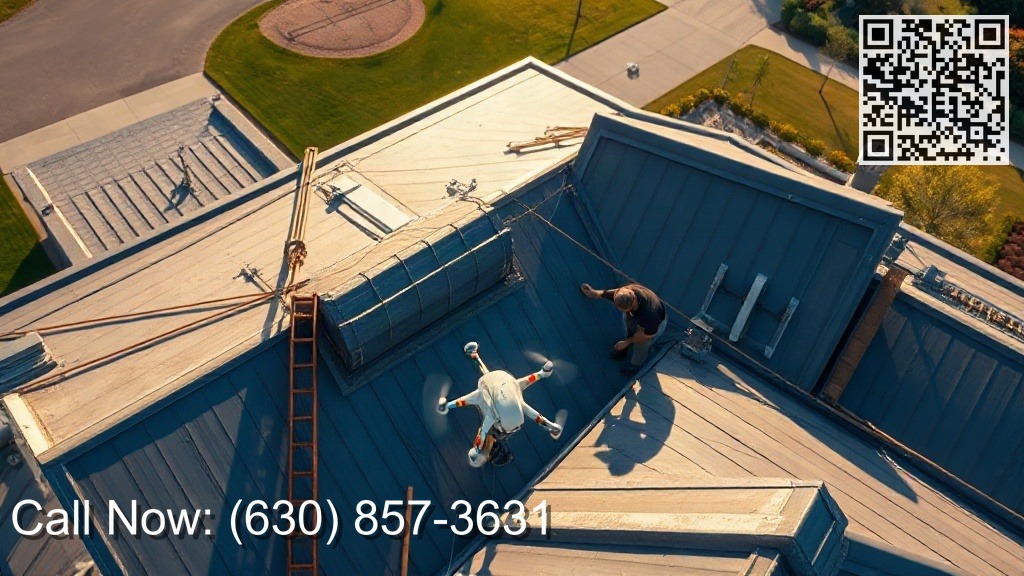
Synthetic roofing systems take advantage of balanced intake and exhaust air flow just like various other steep-slope systems. If the attic is under-ventilated, the roof may run hotter, which extra thermal lots can lower service life. If insulation is irregular, cozy indoor air might create separated thaw areas under snowpack, which is one of the timeless arrangements for ice dam formation.
A careful synthetic roof covering installation normally starts with inquiries past the tile option itself. Exactly how is the attic room vented? Is the existing decking noise? Are there indications of dampness discoloration or mold and mildew? Are washroom fans wearing down right into the attic as opposed to outside? An experienced artificial professional roofer asks these questions since lasting efficiency relies on the whole assembly, not just the noticeable finish.
Installation details that matter in extreme weather
Two roofing systems can make use of the exact same product and age extremely differently because of craftsmanship. Under snow and heat stress and anxiety, tiny details end up being huge problems. Valleys need to relocate water quick. Flashings around chimneys and sidewalls need to stay watertight via expansion and contraction. Fasteners require proper placement and deepness. Starter courses need to resist wind uplift. Underlayment requires to fit the climate, particularly in freeze-thaw regions.
The best staffs do not rush this job. An artificial roofing company with strong field self-control will certainly examine deck flatness, validate the producer's fastening pattern, and comply with temperature-specific handling assistance. Some synthetics cut easily in awesome climate however become extra flexible in direct sunlight. Others need particular storage space and hosting so packages do not flaw before setup. These are not attractive information, yet they divide sturdy arise from expensive callbacks.
Here are the area details I pay the closest interest to on weather-exposed tasks:
Ice and water defense at eaves, valleys, and susceptible transitions. Ventilation design that matches the home's insulation and roof covering geometry. Manufacturer-approved attachment patterns for local wind and environment demands. Flashing integration around infiltrations, stonework, and wall intersections. Product handling during extremely chilly or really hot setup days.That checklist looks fundamental, however roof covering failures typically start in exactly those places.
How synthetics compare to various other costs materials
Natural slate continues to be one of one of the most durable roofing materials readily available, but it is hefty, expensive, and highly dependent on specialized installation ability. Cedar has warmth and personality, yet it needs recurring upkeep and can weather unexpectedly relying on environment and sunlight direct exposure. Asphalt roof shingles recognize and economical, though typical grades often do not provide the exact same long life, influence resistance, or architectural existence as higher-end alternatives.
Architectural artificial roof covering occupies a valuable happy medium. It provides homeowners a refined account with less weight than slate and less regular maintenance than cedar. Oftentimes, it likewise supplies better effect resistance than brittle natural products. For homes in environments marked by both snow build-up and warmth spikes, that balance is compelling.
That stated, artificial is not automatically premium in every scenario. An improperly made artificial item can age badly. A homeowner expecting a bargain cost may be let down, because premium synthetic roof commonly costs more than standard asphalt. And on historically delicate residential properties, conservation rules might limit acceptable product choices. Great decisions come from matching the material to your home, environment, budget, and performance goals.
What house owners in Chicagoland should pay attention to
A roof covering in this area needs to handle lake-influenced climate swings, damp springtime tornados, hailstorm pockets, deep cold snaps, and hot midsummer stretches. If you are considering artificial roof covering Naperville IL or elsewhere in the suburban areas, ask less about advertising and marketing buzzwords and even more about neighborhood performance history. Exactly how has the product handled ice dams? Has the installer used it on comparable rooflines? What guarantee assistance exists if a batch problem appears years later?
For synthetic roof covering Chicago jobs, I would pay particular attention to attic room problems and water drainage courses. Older homes usually have ventilation quirks, patched outdoor decking, or additions that transformed the original air movement. Newer custom-made homes may have significant roof covering geometry that looks exceptional but develops focused drainage and snow collection areas. Both https://beckettgdms781.brightsora.com/posts/leading-inquiries-to-ask-prior-to-hiring-an-artificial-roof-company require cautious planning.
Homeowners need to likewise comprehend that even the very best artificial roof benefit from routine evaluation. After a serious winter or an extended warm front, a professional examination can catch little blinking troubles, obstructed vents, or isolated influence damages before they end up being interior leaks.
A couple of practical questions deserve asking any synthetic roofing contractor before signing:
Which synthetic products have you installed in your area for at the very least several years? How do you handle ventilation assessment before synthetic roofing installation? What underlayment and ice barrier information do you define for this climate? Who registers guarantees, and what workmanship coverage do you provide? Can you reveal examples of completed residential synthetic roof jobs nearby?Clear responses usually inform you a lot about the high quality of the company.
The upkeep reality
One factor property owners gravitate toward artificial roof coverings is the pledge of lower maintenance. That promise is mostly reasonable, with limits. Artificial roof covering roof shingles generally do not call for the exact same upkeep as cedar, and they stay clear of some of the frailty problems connected with natural slate. Yet "reduced upkeep" does not indicate "no upkeep."
Debris must still be gotten rid of from valleys and seamless gutters. Looming branches must still be trimmed to decrease abrasion and influence threat. Sealants and flashings still age. If snow slides greatly near access or walks, snow monitoring devices may still be needed. On huge homes, especially those with multiple roof levels, periodic examination stays smart insurance.
From a professional's viewpoint, the most effective artificial roofs have a tendency to be the ones that combine quality item selection with self-displined setup and realistic owner expectations. When those items align, the product normally takes care of snow lots and warm front extremely well. When one piece is missing out on, issues adhere to faster than the sales literature suggests.
Where artificial shingles make one of the most sense
Synthetic roof covering typically shines on homes where the proprietor wants an exceptional appearance, minimized structural tons, far better influence tolerance, and much less upkeep than all-natural timber or rock. It is also a strong candidate for artificial roofing substitute when an aging roofing system requires an upgrade in both aesthetic allure and weather performance.
That does not suggest every home requires it. A straightforward ranch with a small budget might be better offered by a top quality building asphalt system if the layout goals are practical rather than aesthetic. But also for house owners who respect lasting look, climate strength, and lower weight, premium synthetic roof covering deserves a major look.
The toughest projects I see share an usual characteristic. The homeowners are denying a tag, they are getting a system. They pick a tried and tested product, insist on cautious artificial roof installers, address ventilation and insulation, and deal with the roofing system as part of the home's overall building envelope. That is how artificial roofing tiles earn their credibility in harsh climates.
Snow and warmth are not mild examinations. They expose weak products, hurried setup, and bad setting up layout. Quality synthetic roofs can stand up to both, typically remarkably well, but just when the product and the workmanship are just as solid. That is the basic worth holding.
When Quality Matters
Salvo Architectural Roofing Contractors
566 West 5th Ave Naperville, IL 60563
(630) 857-3631
 Ask ChatGPT
 Ask Grok
 Ask Perplexity
 Ask Claude
 Ask Google AI
 Ask You